Most travelers assume a safari means spending thousands of dollars a night on a luxury lodge, so they either save for years or skip the idea entirely. The truth is more encouraging: the price gap between two lodges offering a similar experience can be enormous, and a well-chosen safari lodge on a budget can deliver excellent game viewing, comfortable rooms and good meals at a fraction of the headline rates. The trick is knowing where the real costs hide and which choices trim them without cutting the wildlife.
This guide walks through the decisions that matter most. We start with what budget lodges actually cost and what their rates include, then look at picking the right park and region, traveling in low season, choosing between rooms, tents and campsites, booking at the right time, and judging quality before you pay a deposit. A final checklist pulls it all together so you can book with confidence.
What a Safari Lodge on a Budget Really Costs
Let’s start with real numbers. Budget safari lodges typically cost $50-150 per person per night, while midrange lodges generally run $150-350 per person per night. That is a wide gap, and it matters: two lodges can look nearly identical online, yet one charges double because of location inside a famous park, a well-known name or a smarter marketing budget.
What the rate usually includes
At the budget end, rates often include accommodation, breakfast or full board, and sometimes a shared game drive. What they frequently exclude are park entrance fees, transfers from the nearest town or airport, drinks, and guided walks or night drives. Park fees in particular can add a meaningful amount per day, so always ask the lodge to confirm what is covered and what you will pay at the gate.
Why per-person sharing rates matter
Almost all safari lodges price per person sharing a room, not per room. For couples, this is straightforward: two people split the rate evenly. Solo travelers, however, often face a single supplement or end up paying nearly the full double rate for one bed, which can push a $100-per-person lodge closer to midrange pricing for them alone. If you travel solo, ask directly whether the supplement can be waived or reduced, and compare a few lodges before deciding. Couples should also check whether children count as full-paying adults, since that changes the total quickly for families.
Pick the Right Park and Region First
The single biggest saving you can make before you even look at lodges is choosing where you go. Lodge rates in lesser-known parks and private reserves adjacent to the famous ones often run 20-40% lower for a comparable experience. Think of reserves that share an unfenced border with a marquee national park: the animals move freely across the boundary, but the lodges on the quieter side charge noticeably less for the same sightings.
Southern versus East Africa
Region matters just as much. Southern Africa offers far more self-drive and self-catering options than the fly-in circuits typical of East Africa. If you are comfortable renting a vehicle and cooking some of your own meals, a self-drive safari can cost 40-60% less than a fly-in lodge package. East Africa’s fly-in model is convenient and spectacular, but every charter flight and packaged transfer adds to the bill, so it suits travelers who want everything arranged rather than those chasing the lowest total.
Don’t forget transfer costs
Here is a mistake many budget travelers make: they find a cheap lodge, book it, and only then discover the cost of getting there. A lodge several hours from the nearest airport or town can require an expensive private transfer, and a cheap lodge far away can easily cost more overall than a pricier one close to the park gate. Before booking, add up the full picture: accommodation, transfers, park fees and any compulsory activities. Compare lodges on total trip cost, not the nightly rate alone.
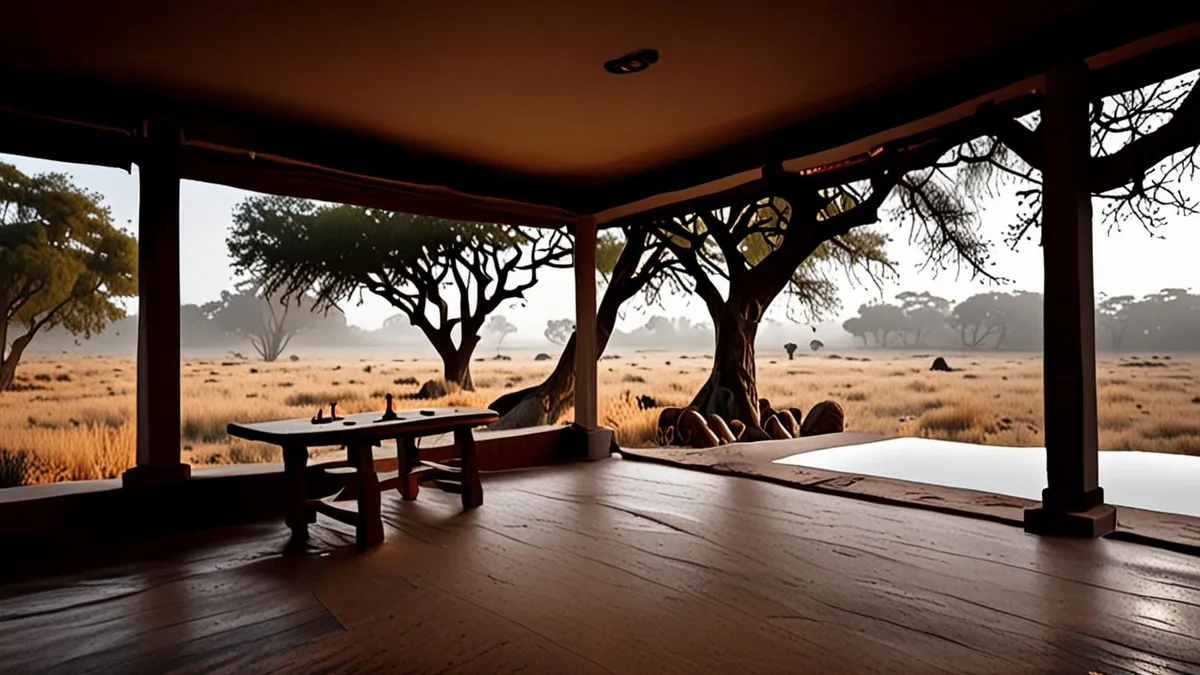
Travel in Low Season to Cut Lodge Rates
Timing is the easiest lever you have, and it costs you nothing but flexibility. Traveling in the shoulder months of April-May and November can drop lodge rates 30-50% versus peak season, often at the very same lodges that are fully booked and full-price a few months earlier. For budget travelers, that difference can turn a midrange lodge into an affordable one.
The trade-offs of the green season
Of course, there is a reason rates drop. The low season overlaps with the rains in many parks, which means afternoon thunderstorms, muddy tracks and thicker bush that makes animals harder to spot. On the plus side, landscapes are green and photogenic, birdlife is at its best, newborn animals appear, and you share the park with far fewer vehicles. Many travelers find the value outweighs the drawbacks, especially on a second or third safari.
Check before you book
One caution: some camps close entirely during the wettest months for maintenance or because tracks become impassable. Others run a reduced schedule or switch to shorter drive routes. Before you commit, check the lodge’s operating calendar and confirm it is open on your dates, and ask how the rains typically affect game drives in that specific park. A quick email to the lodge will save you from arriving at a locked gate or a waterlogged access road.
Choose the Right Stay Type for Your Budget
Once you know your region and travel dates, the type of accommodation you pick matters more than almost anything else. A bed in a budget lodge room, a canvas safari tent, a campsite pitch and a self-catering unit can sit at very different price points, even within the same reserve. Tents and campsites usually come in well below standard lodge rooms, while self-catering units trade daily housekeeping and cooked meals for a lower nightly rate and a kitchen you run yourself.
Location inside or outside the park also changes the price dramatically. Lodges positioned right at a park gate or in a nearby town typically charge less than equivalent lodges inside the park, because they avoid concession fees and can serve the self-drive market. You lose the ability to step straight from breakfast onto a game drive at dawn, but if you have your own vehicle or book drives separately, the trade-off is often worth it. Just remember to factor in any transfer costs before comparing rates.
Community-run and conservancy camps are another route worth exploring. These are often operated in partnership with local communities on land adjacent to national parks, and they tend to cost less than private concessions inside famous reserves while keeping a larger share of your money in the local economy.
- Budget lodge rooms: solid walls, shared or private bathrooms, often the cheapest option with meals included — good value if you only need a base between drives.
- Safari tents: canvas walls on fixed platforms, usually cheaper than lodge rooms of the same standard, with a closer-to-nature feel; check whether bathrooms are en-suite or shared.
- Campsites: the lowest cost per night by far, but you need your own or rented gear, and some charge per person rather than per pitch.
- Self-catering units: kitchens and sometimes braai or barbecue facilities, ideal for families or groups who can split the cost and skip restaurant markups.
- Conservancy camps: often allow night drives and off-road viewing that national parks restrict, adding activity value on top of the lower rate.
Book at the Right Time and Negotiate Smart
Timing and a few direct questions can shave a surprising amount off your lodge bill. Budget lodges in popular parks fill up fast, and the travelers who pay the least are usually the ones who asked the right questions before clicking “book.” The good news is that none of this requires haggling skills or insider contacts — it mostly comes down to planning your booking window, knowing which discounts exist, and asking for them politely and early. Lodge managers deal with hundreds of inquiries, and the travelers who state their dates, group size and flexibility clearly tend to get the better responses. Work through the steps below in order, and keep a simple note of what each lodge or operator tells you so you can compare offers fairly later.
- Book 6-9 months ahead for popular parks. Budget lodges have far fewer rooms than luxury camps, so the cheapest options in well-known parks sell out first. Booking 6-9 months ahead gives you the widest choice at the lowest rates instead of leaving you with whatever is left.
- Ask about last-minute discounts. If your dates are flexible, email or call the lodge directly a few weeks before travel. Unfilled rooms earn nothing, so some lodges offer reduced rates rather than run empty — but never count on this as your plan A.
- Request a single-supplement waiver. Solo travelers often get charged extra to occupy a room alone. Some lodges waive this in low season or on slower weeks if you ask, so it never hurts to raise it before booking.
- Query group rates from 4-6 travelers. Many lodges offer discounted per-person rates once you have 4-6 people sharing a vehicle or family room. If you are traveling with friends or family, ask for the group rate in writing before you confirm.
- Compare direct booking with local operators. Get a quote from the lodge itself, then from one or two local operators. Operators often bundle game drives, transfers and accommodation into a package that costs less than assembling the same pieces yourself — but always compare what each quote actually includes.
Whichever route you take, get the final price and inclusions confirmed in writing before paying any deposit. A cheap quote that excludes drives and transfers can end up costing more than a slightly higher all-in offer, so line the quotes up side by side before you commit. Ask specifically whether park fees, meals, drinking water and daily game drives are part of the rate, and whether the quoted price is per person or per room. If a lodge promises a discount — a waived single supplement, a group rate or a last-minute deal — ask them to state it in the booking confirmation, not just in an email thread. That one extra message protects you if staff change or rates shift between your inquiry and your arrival. Finally, keep copies of every quote you receive, with dates and names attached, so any disagreement on check-in can be settled quickly and fairly.
How to Judge Lodge Quality Before You Pay
Photos on a lodge website tell you what the rooms look like, but almost nothing about whether you will actually enjoy your stay. A beautiful deck means little if the vehicle breaks down mid-drive or the guide skips the waterhole where the elephants gather. Before you pay a deposit, dig into what recent guests say about the parts of the experience that matter most.
Start with reviews from the last few months, and read them specifically for mentions of game drives, guides and vehicles rather than decor. Then contact the lodge directly and ask exactly what your rate covers. Lodges vary widely on this, and a low headline price can hide charges that double your real cost. Finally, check where the lodge sits relative to the park gate. A bargain lodge two hours from the gate can eat half a day of your trip in transfers each way, which matters more than saving a few dollars a night.
- Drive frequency: confirm how many game drives are offered per day and how long each one lasts — some budget lodges run one short morning drive where others run two full outings.
- Guide quality: look for review mentions of specific sightings, tracking skill and willingness to answer questions; a knowledgeable guide shapes the whole safari.
- Vehicle condition: ask about open-sided versus closed vehicles, seat numbers per vehicle and how old the fleet is, since crowded or unreliable vehicles ruin game viewing.
- Park fees handling: clarify whether the lodge pays and prepays park entrance fees on your behalf or whether you settle them yourself on arrival.
- Drinking water: check whether filtered water is provided free or sold in bottles, a small daily cost that adds up over a week.
- Transfer logistics: ask for realistic drive times from the nearest airport or town, and whether transfers cost extra or are included in the rate.
Your Budget Safari Lodge Checklist
A safari on a budget is absolutely possible once you stop assuming you need a luxury lodge. Similar-looking properties can charge wildly different rates, and the difference often comes down to a few choices you control. Aim for the $50-150 per person per night band for budget lodges, and remember that traveling in low season can cut rates by 30-50% versus peak dates.
Before you pay a deposit, book 6-9 months ahead for the best availability in popular parks, compare lodges just outside the park gate against those inside, and check exactly what your rate includes. Recent reviews will tell you more than any room photo. If this guide helped you plan your trip, leave a comment or share it with a fellow traveler.