You’ve decided you want a glamping trip, but now comes the hard part: choosing between a yurt, a safari tent and a cabin. Each one promises a comfortable night under canvas or timber, yet they behave very differently when it comes to warmth, rain, price and how far ahead you need to book. Pick the wrong one for your season and you could spend a chilly night wishing you’d chosen differently.
This yurt vs safari tent vs cabin guide breaks down exactly what each stay type is, how they handle heat and cold, what you’ll typically pay per night, and when each one makes the most sense. We’ll also cover who each option suits best, how to vet a glamping site before you hand over money, and a simple way to make the final call based on your group size and travel dates. By the end, you should know which stay fits your trip rather than just your Instagram feed.
What Each Stay Type Actually Is
Glamping sites use these three labels loosely, so it helps to know what you’re actually getting before you book. The differences go beyond looks — they affect how warm you’ll be, how much you’ll pay and how many people can sleep comfortably.
Yurts: round, open and surprisingly spacious
A yurt is a round canvas structure with a circular frame and an open floor plan, with no interior walls dividing the space. Most yurts typically sleep 2-5 guests on real beds, futons or a mix of both. Because everything sits in one open room, a yurt feels bigger than its footprint suggests, and the round shape gives it a cozy, unusual feel you won’t find in a hotel room.
Safari tents: canvas luxury on a deck
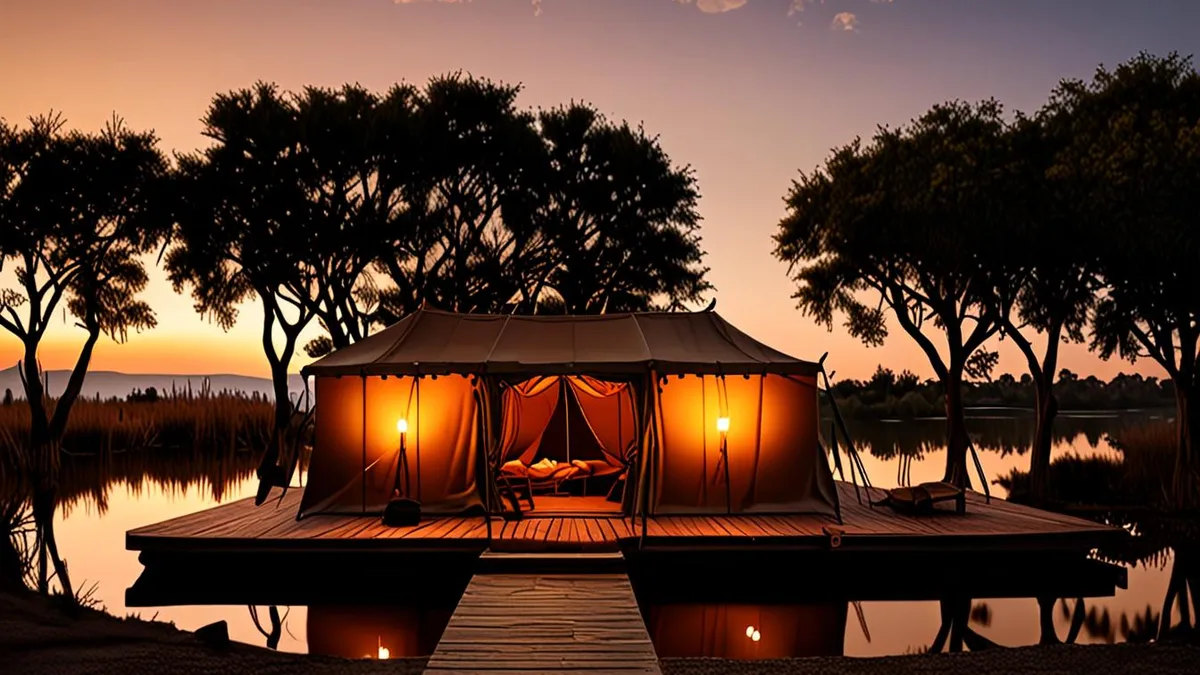
Safari tents are large canvas tents pitched on fixed wooden decks, so they feel more like a furnished room than a tent you’d pitch yourself. They typically sleep 2-4 guests and usually come with real furniture — proper beds, side tables and sometimes seating areas. The private deck is the signature feature, giving you somewhere to sit with coffee while staying off the damp ground.
Cabins: the solid-wall option
Glamping cabins are solid-wall structures that typically sleep 2-6 guests, making them the roomiest of the three. Because they’re built rather than pitched, they usually include heating and electricity, and some come with a kitchen or kitchenette. If you want the glamping experience without any of the canvas, this is the closest you’ll get to a small house in the woods.
Comfort and Weather: Yurt vs Safari Tent vs Cabin
Weather is where these three stay types really separate. Canvas and solid walls behave very differently in heat, rain and cold, and choosing wrong is the most common glamping mistake.
How canvas handles the elements
Yurts insulate better than a standard tent, thanks to their thick canvas cover and enclosed circular design, so they hold warmth reasonably well on cool nights. The flip side is ventilation: without good airflow, a yurt can feel stuffy in summer heat, especially with the door closed and several people sleeping inside. Look for sites that mention roof vents or opening windows.
Safari tents take the opposite approach. Their large canvas panels breathe well in hot weather, so they stay comfortable on warm afternoons. But that same breathability means they cool down fast at night, and in shoulder-season rain a safari tent can feel damp and chilly. They’re best in genuinely warm months.
Why cabins win in bad weather
Cabins offer solid walls, reliable heating and real insulation, which makes them the only true all-weather option of the three. Rain, wind and cold nights barely register from inside a well-built cabin. If your trip falls outside the warm season, or you simply don’t want to gamble on the forecast, a cabin removes the weather risk almost entirely.
Price Comparison Across the Three Stay Types
Price is often the deciding factor between these three stay types, and there’s a clear pattern: yurts are usually the cheapest, safari tents sit at the premium canvas end, and cabins depend heavily on what’s inside them. As a rough guide, yurts rent for roughly $90-$200 per night, safari tents for roughly $120-$250 per night, and cabins for about $100-$250 per night. Treat these as ballpark figures rather than promises — rates vary a lot by region, season and how upscale the site is, so always check current prices before you book. A lakeside yurt in a popular national park area can cost more than a basic cabin in a quiet corner of the countryside.
What you get for that money differs too. A yurt at the low end of its range is usually a simple round structure with shared facilities a short walk away, while a safari tent at the top of its range often feels closer to a boutique hotel room under canvas, complete with proper bedding and outdoor space. Cabins are the most variable of all, which is why their price spread is so wide.
- Kitchens drive cabin prices up: a cabin with a full kitchen or kitchenette typically pushes the nightly rate to the top of the range, while a basic cabin without cooking facilities sits lower. If you plan to self-cater, the higher rate can offset restaurant costs.
- Private bathrooms cost more across all three types: sites with shared bathhouses price their units lower than those offering en-suite or private bathrooms, so this single feature can shift a listing between budget and premium.
- Decks and views add a premium to safari tents: a large private deck, furnished seating area or standout location such as lakeside or ridge-top usually explains why one safari tent costs more than a similar one on the same site.
- Shoulder-season dates soften prices everywhere: booking outside peak summer weekends can bring canvas stays toward the lower end of their range, while midsummer rates often sit at the top. Midweek stays can also save you money.
Seasons and Booking Lead Times
Canvas glamping lives and dies by the season. In most temperate regions, yurts and safari tents generally run from April through October, when nights are mild enough that a wood stove or space heater keeps things comfortable. Outside that window, many operators simply close the canvas units or switch them to limited availability, so a March or November trip usually means choosing a cabin instead.
Winter travelers, pick the cabin
Cabins are usually bookable year-round, including winter. Solid walls, reliable heating and often a kitchen make them the clear pick for snow trips, holiday weekends or any shoulder-season getaway where canvas would leave you shivering. If your dates fall between November and March, start your search with cabins and treat canvas as a warm-weather option.
For peak summer weekends, timing matters as much as choice. The best canvas yurts and safari tents near popular parks and lakes can sell out well in advance, so plan to reserve 2-4 months ahead for Friday and Saturday nights in July or August. Midweek stays are easier to land, often at short notice, and shoulder-season weekends in May, September or early October tend to have more open inventory than midsummer. If you are flexible on dates, book the cabin first for a fixed trip, then hunt for a canvas upgrade when availability opens up.
Who Each Stay Type Suits Best
The right stay type depends less on the property and more on who is traveling and what you want from the trip. A couple celebrating an anniversary and a family of five with a cooler full of snacks need very different setups. Here is how the three options break down by traveler type.
Yurts suit couples and small families who want something genuinely different without stretching the budget. The round, open floor plan feels novel the moment you walk in, and with rates typically lower than the other two options, a yurt is an easy way to try glamping for the first time. Families with one or two kids can share the space comfortably, since most yurts sleep 2-5 on beds or futons.
Safari tents are for travelers who want the outdoors feel without giving up hotel-style touches. You get canvas walls, a breeze through the windows and, in most setups, a private deck where your morning coffee tastes better than it ever did indoors. Real furniture and proper bedding mean you sleep well, not just camp well.
- Cabins for groups of up to 6: solid walls mean actual doors between sleeping areas, so a group of friends or a bigger family can split up at night instead of sharing one canvas room.
- Cabins for cold-weather trips: reliable heating and insulation make them the only choice of the three for snow season or chilly shoulder-season nights.
- Cabins for anyone wanting a kitchen: cooking your own meals saves real money on longer stays and matters when the nearest restaurant is a 30-minute drive away.
How to Vet a Glamping Site Before You Book
Glamping listings can look identical in photos while being wildly different in person. A few minutes of checking before you book saves you from a leaky tent, a futon masquerading as a bed or a surprise hike to a shared bathroom at midnight. This matters most with canvas stays, since a yurt or safari tent that looks cozy in a sunny listing photo can feel very different on a rainy night. Work through these steps in order before you hand over any money.
- Study the photos for real beds versus futons. Zoom in on the sleeping area and count the actual beds. Some yurts sleep guests on futons or fold-outs, which is fine for kids but less fun for adults on a multi-night stay. If the photos only show a wide shot of the floor, message the host and ask exactly what you will sleep on, including sizes and how the sleeping arrangements are set up.
- Confirm heating or a wood stove for stays outside midsummer. Canvas cools down fast at night, and a unit that is delightful in July can be miserable in May. Look for a listed wood stove, heater or heating source, and ask whether firewood is provided or costs extra.
- Read recent reviews for leaks, insects and noise. Search reviews from the last season for mentions of rain getting in, bugs inside the unit, and thin walls or open layouts letting you hear neighbors. One old complaint is noise; a pattern across recent reviews is a warning.
- Confirm exactly what is included. Check whether linens and towels are provided or a rental, whether there are cooking facilities on site or in the unit, and whether the bathroom is private or shared with other guests. These details vary hugely between properties and change the real cost of your stay.
Do this vetting before you pay, not after. If a listing leaves any of these questions unanswered, send a short message and judge the host by how quickly and clearly they respond. A good operator answers specifics without hesitation, and that responsiveness usually says more about your coming stay than any photo gallery.
The Bottom Line
So which one should you book? Yurts win on price and novelty, safari tents on outdoor comfort, and cabins on weather-proofing and space. If you want the cheapest memorable night away, the round canvas of a yurt is hard to beat. If you want that outdoorsy feel with a private deck and hotel-style bedding, pick a safari tent. If you need room for up to six, a kitchen or a trip that won’t be ruined by rain or cold, go with a cabin.
In practice, your season and group size narrow the choice faster than any other factor. A couple traveling in July has far more freedom than a family of five booking a February weekend. Decide those two things first, and the right stay type usually picks itself. If this helped you plan your trip, leave a comment or share the article with a friend.