Lisbon is a city of steep hills, tiled facades and very different neighborhoods, and choosing where to stay in Lisbon can feel overwhelming before you even book a flight. The bar-heavy streets of one district sit just a few minutes from silent, view-filled lanes in another, and the wrong pick can mean dragging luggage up endless stairs or losing sleep to street parties.
This guide breaks the city down by travel style. We compare Baixa and Chiado for first-time sightseeing, Alfama and Graça for atmosphere and views, and Bairro Alto and Príncipe Real for nightlife and a more local feel. You’ll also find budget-friendly areas, advice on when to book for the best rates, a quick decision guide, and final thoughts on picking the base that fits your trip.
Baixa and Chiado: Best for First-Time Sightseeing
Baixa is the flat heart of Lisbon, laid out in a neat grid of wide streets and squares that makes it the easiest area in the city to walk around. Most of the sights first-time visitors care about sit within 3 km of here, so you can wander from the riverside up to central squares and back without ever needing a taxi.
Chiado, directly uphill next door, adds elegant cafés, bookshops and theaters, and the two areas blend into each other seamlessly. Staying here means restaurants, shops and metro lines are quite literally at your doorstep, which matters when you’re tired after a long day of sightseeing.
What you’ll pay
Accommodation leans mid-range and upscale rather than backpacker-cheap. In high season, rates in Baixa and Chiado often reach €150-250 per night, so book early if you’re set on a central room. If your priority is convenience, easy walking and being in the middle of everything, this is the best choice for a first Lisbon trip.
Alfama and Graça: Best for Atmosphere and Views
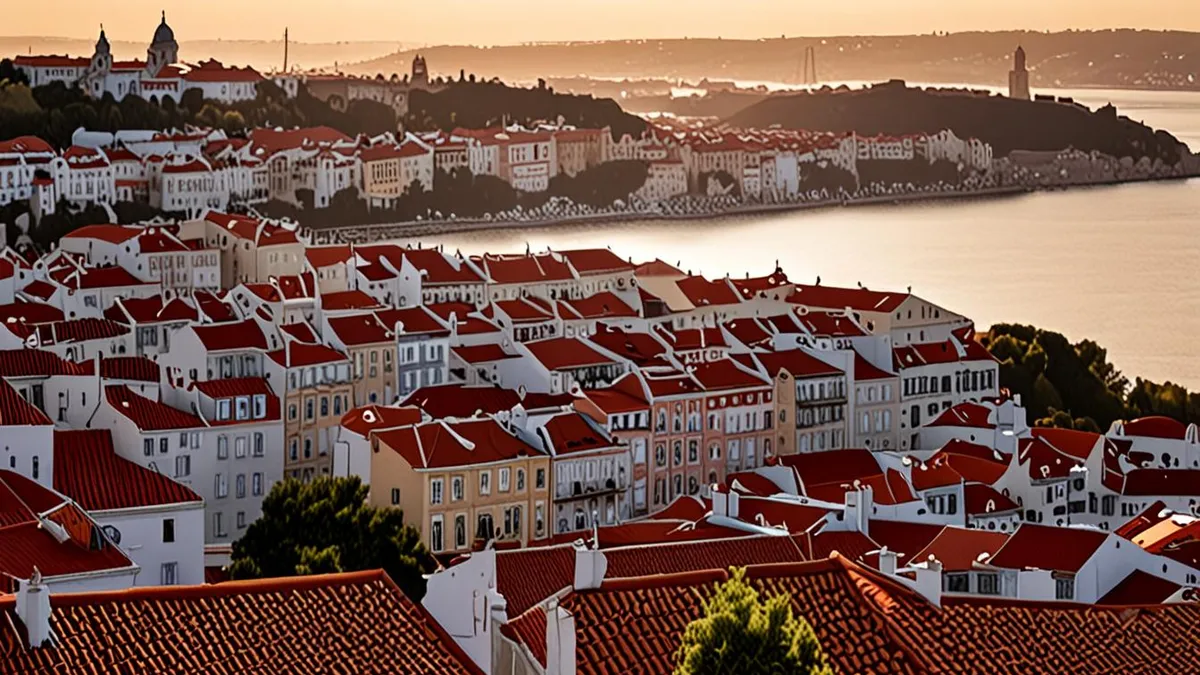
Alfama is Lisbon’s oldest quarter, a maze of narrow lanes tumbling down toward the river, where fado houses and miradouros (viewpoints) give the neighborhood its soul. Graça sits just above it, trading some of the postcard lanes for even bigger views over the rooftops. From here, Baixa is only about a 15-20 minute walk downhill, so you’re never far from the center.
The atmosphere is the whole point of staying here. Laundry hangs between buildings, elderly residents chat on doorsteps, and evenings sound very different from the grid-planned streets below. Tram 28 crosses this part of the city, which is both charming and often crowded.
The catch: hills and luggage
The hilly, cobbled lanes mean fewer lifts and more stairs with your suitcase, so pack light or check whether your guesthouse has an elevator. Accommodation here is mostly small guesthouses and boutique stays rather than large hotels, which suits travelers who want character over services. If atmosphere and views top your list, this is the area to choose.
Bairro Alto and Príncipe Real: Best for Nightlife and Local Vibes
Bairro Alto is Lisbon’s nightlife hub. The narrow streets fill up every evening with bar-hoppers, and the noise carries on until early morning, so avoid staying right in the middle of it if you’re a light sleeper. What feels fun at 11 p.m. feels less fun at 3 a.m. when you have a sightseeing day planned.
Príncipe Real, next door uphill, is a different world: quieter, leafier, with garden squares, concept stores and design shops, plus plenty of cafés for a slow morning. It has a distinctly local feel while still being a short walk from the center.
Who this area suits
This pair of neighborhoods is a good pick for travelers who want evening energy but daytime calm. The practical approach is to stay on the Príncipe Real side and dip into Bairro Alto’s bars at night, then retreat to quiet streets when you’re done. You get the best of both: nightlife on your doorstep when you want it, and a peaceful base when you don’t.
Where to Stay in Lisbon on a Budget
You don’t need to sacrifice a central location to save money in Lisbon. Look at Mouraria, Anjos and Intendente, three neighborhoods that sit one or two metro stops from the center but charge a fraction of Baixa prices. They’re older, more residential and far less polished, which is exactly why the rates stay friendly.
In shoulder season, budget rooms and hostels in these areas typically run €60-100 per night. That’s often half what you’d pay for a comparable room in Chiado, and you’re still within a short metro ride of the main sights. Many guesthouses here are family-run, so you also get a more local feel than in the hotel-heavy center.
One thing to check before booking: these areas sit on hills. A cheap room at the top of a steep street loses its appeal when you’re dragging a suitcase up it, so make sure your stay is near a metro or tram stop.
- Mouraria sits just below São Jorge Castle and is one of the most traditional neighborhoods in the city, with narrow streets and a strong resident community rather than tourist infrastructure.
- Anjos has a young, creative feel, with small cafés and a growing number of budget-friendly guesthouses along and near Avenida Almirante Reis.
- Intendente centers on a large square with a metro station right on it, which makes it one of the easiest budget bases for arriving with luggage.
- Tram connections matter here: check whether a tram line runs near your accommodation, since a flat ride down the hill can save your legs on the way to Baixa.
When to Book: Seasons and Lead Times
Lisbon’s prices move with the seasons more than most travelers expect. High season runs June to September, when the weather is at its best and central rooms fill up fast, especially around Baixa and Chiado. If your dates are flexible, shoulder season in April-May and September-October offers milder weather and noticeably lower rates, with the city feeling calmer and easier to explore on foot.
For a June to September trip, book 2-3 months ahead. That’s usually enough lead time to lock in a central room at a sane price. Leave it until a few weeks out and your choices in the most popular neighborhoods shrink to the expensive leftovers. Shoulder-season trips are more forgiving, but booking early still pays off if you have your heart set on a particular guesthouse or view.
Winter, from roughly November through February, brings the lowest prices of the year and the thinnest crowds. The trade-off is shorter, rainier days, so plan more indoor time and expect some gray afternoons. For budget travelers, this can be the smartest window of all, as long as you don’t mind packing a rain jacket.
- Check cancellation policies when booking early: a free-cancellation rate lets you secure a central room months ahead and rebook if prices drop later.
- Shoulder season has practical perks beyond price: shorter queues at major sights and easier restaurant reservations than in peak summer.
- Winter light matters for sightseeing: with early sunsets, you’ll want to schedule miradouro views and outdoor walks for the middle of the day.
- Events can spike prices at odd times: check the local events calendar before booking, since festivals and conferences can push rates up even outside high season.
How to Choose Your Area: A Quick Decision Guide
With four or five good options, choosing a Lisbon neighborhood can feel harder than it should. The trick is to decide what you care about most, then match it to how you’ll arrive. Work through these steps in order and you’ll land in the right area.
- Decide if walkability is your priority. If this is your first city break and you want to see the main sights on foot, prioritize Baixa. Lisbon’s historic center is compact, and most first-timer sights sit within 3 km of Baixa, so a base there means minimal metro rides.
- Weigh character against convenience. If you’d rather trade some convenience for atmosphere, choose Alfama or Graça, with their old lanes and viewpoints. Baixa to Alfama is roughly a 15-20 minute walk, so you’re never cut off from the center. If you want a calmer, more local feel with garden squares and design shops, Príncipe Real is the better fit.
- Be honest about your sleep. If nightlife energy sounds fun but you’re a light sleeper, remember that Bairro Alto stays loud until early morning, so pick a neighboring area instead.
- Think about how you’ll get around day to day. Tram 28 crosses Graça, Alfama, Baixa and Estrela, which makes it a handy spine for sightseeing, though it’s often crowded at peak times.
- Match your area to your arrival point. Lisbon airport’s metro line serves the central zones in about 20-30 minutes, so a base near a metro stop makes arrival day painless, especially with luggage on the city’s hills.
Once you’ve answered those questions, your choice usually becomes obvious. Most first-time visitors end up in Baixa or Chiado, and that’s a perfectly good default. But if a step above pointed you toward a hillside neighborhood or a quieter square, trust it, because the right atmosphere matters more than a shorter walk to the main square. Whichever you pick, double-check that your specific street isn’t at the top of a long staircase, since two hotels in the same neighborhood can feel very different with a suitcase in hand.
Final Thoughts on Picking Your Lisbon Base
Choosing where to stay in Lisbon comes down to one question: what kind of trip do you want? If you want most sights within walking distance, Baixa and Chiado make the decision easy. Step out of your hotel and you are straight into restaurants, shops and metro lines, with the city’s main landmarks all close by.
If you would rather trade some convenience for character, Alfama and Graça offer fado houses, miradouros and the city’s oldest lanes, while Príncipe Real gives you a calmer, more local feel. Whichever neighborhood you settle on, booking well ahead for a summer trip keeps central rates friendlier than waiting until the last minute. If this guide helped you plan your stay, leave a comment or share it with a fellow traveler.