You’ve picked your destination, you’ve eyeballed flights, and now comes the bed. On paper, the hostel vs budget hotel question looks simple: dorms are cheap, hotels cost more. But once you add towel rentals, city taxes, transport to the edge of town and the price of a bad night’s sleep, the cheapest sticker price isn’t always the cheapest stay. Many travelers book a dorm out of habit and never check whether a small private room would have cost barely more per night.
This guide breaks the decision down with real numbers. We’ll compare typical nightly rates for dorm beds and budget hotel rooms, uncover the hidden fees that change the math, look at how booking timing affects both options, and weigh privacy, safety and sleep quality. We’ll also cover long stays, kitchen access and food costs, then match each option to your travel style, whether you’re solo, coupled up, or mixing both. By the end, you’ll know exactly which bed saves you more money in 2025.
Hostel vs Budget Hotel: The Real Price Comparison
Let’s start with the numbers everyone cares about. In Europe, a hostel dorm bed typically costs $20–$40 per night in 2025, while a budget hotel private room typically runs $60–$110. On the surface, that’s a gap of two to five times per night, which is why hostels have long been the default answer for anyone watching their wallet.
But that gap shrinks dramatically once you leave Europe. In Southeast Asia, budget hotels often cost $25–$50 per night, which puts them right in the same price range as dorm beds. In cities like Chiang Mai, Hanoi or Da Lat, a private room with your own bathroom can cost the same as, or only a few dollars more than, a bunk in a shared dorm. If privacy matters to you at all, the choice becomes obvious in this part of the world.
Per-person cost: who actually wins?
For a solo traveler, the math is straightforward. A $30 dorm bed is hard to beat against a $70 hotel room, so hostels win on pure price in Europe. But couples flip the equation. Two dorm beds at $30 each cost $60 per night, which lands squarely at the bottom of the budget hotel range. A couple paying $60–$110 for a private hotel room gets a lockable door, a private bathroom and a proper bed for roughly the same money as two bunks. In Southeast Asia, couples come out ahead even more clearly, since a $25–$50 hotel room is often cheaper than two dorm beds would be.
The takeaway: solo travelers save the most with hostels in Europe, while couples should run the numbers before defaulting to two dorm beds, because a private room frequently costs the same or less per person.
Hidden Costs That Change the Math
The nightly rate is only the opening bid. Both hostels and budget hotels tack on extra charges, and some of them quietly erase the savings you thought you were getting. Hostels are the usual suspects here: the dorm price looks unbeatable until you’re renting a towel, paying for a locker and storing your bag after checkout.
Budget hotels play a different game. Their base rate is usually what you actually pay, but city taxes and resort fees are charged per room, which hits a single traveler harder in percentage terms. The same tax split between two people barely registers, so solo travelers should pay extra attention to the final total. Always check whether taxes and fees are included in the listed price before you compare rates.
- Towel rental: many hostels charge a few dollars per day for a towel, or require you to bring your own, while budget hotels almost always include one free.
- Locker fees: some hostels charge separately for a locker or the padlock itself, so bring your own lock to avoid the markup.
- Luggage storage: dropping your bag after checkout is often free at hotels but can carry a per-bag fee at hostels, which matters on long layover days.
- Late check-out: hostels frequently charge by the hour or force a strict midday checkout, while some budget hotels will let you stay a few extra hours for free if you ask.
Location adds another layer to the math. Hostels often sit in city centers near the nightlife and main sights, while cheaper budget hotels tend to be on the outskirts where land is less expensive. If a hotel saves you a noticeable amount per night but adds a metro or taxi ride into town twice a day, those transport costs can swallow the difference. Factor in how much you’ll realistically spend getting around before you book the cheaper room on the edge of town.
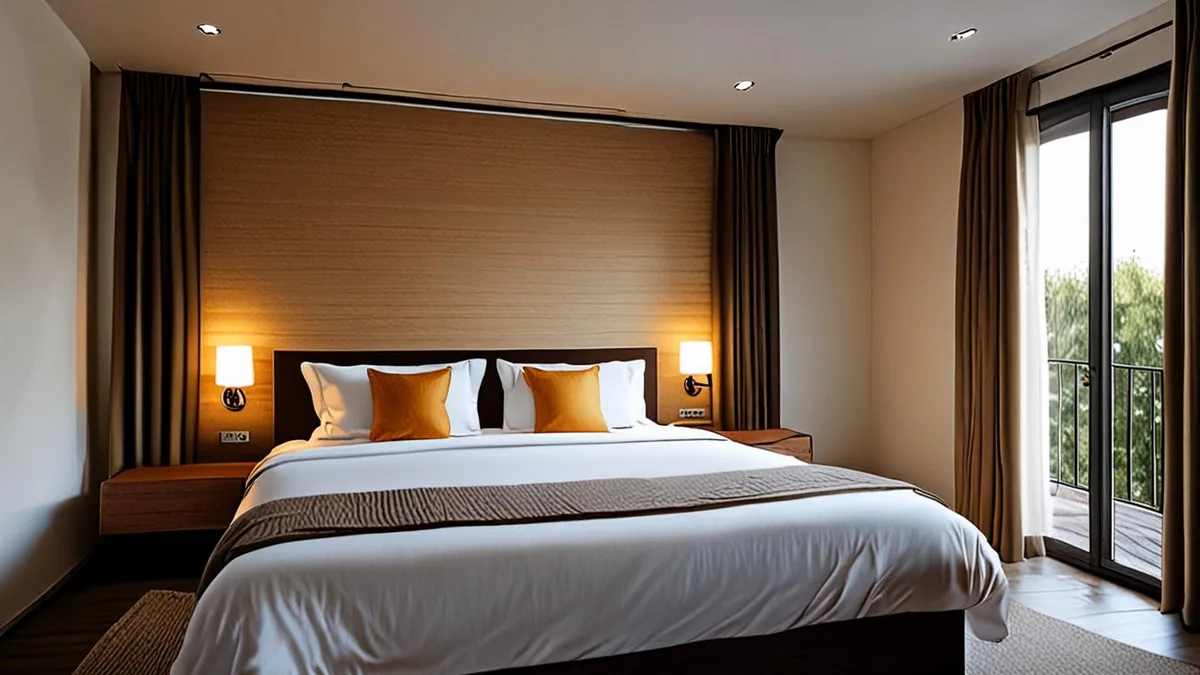
How Booking Timing Affects Hostel and Budget Hotel Prices
When you book matters almost as much as where you stay. The single most reliable rule for 2025 is this: book 2–3 months ahead and you can save roughly 10–20% on both hostels and budget hotels. That’s not a small amount. Over a week-long trip, a double-digit percentage saving adds up to a nice dinner or a day of local transport, purely for clicking “book” a little earlier.
Early booking works because both hostels and small budget hotels raise prices as rooms fill up. Unlike big hotel chains with predictable pricing, many budget properties adjust rates dynamically, so the cheapest rooms in each place get snapped up first and the remaining inventory costs more. Set a reminder a couple of months before your trip and lock in your rate rather than hoping for a last-minute bargain.
Peak season changes everything
If you’re heading to Europe between June and August, expect prices to spike 30–50% above the rest of the year. A dorm bed at the low end of the typical range in May can easily approach the top of that range in July, and a modest budget hotel room can climb well past its usual ceiling. This peak season surge applies to both stay types, so you can’t escape it by switching categories. If your dates are flexible, traveling in May, September or October delivers far better value across the board.
Peak season also reshuffles the options in an unexpected way. Hostel dorms sell out first, because they have the most beds per building and attract the biggest summer crowd. By the time you book in July, the cheap dorms in popular cities are often gone, and the only beds left are pricey private hostel rooms. That’s when budget hotels become the fallback: with dorms full, a modest hotel room can end up being your cheapest available option, even if it costs more than the dorm would have in low season. The lesson is simple: in peak season, book earlier than you think you need to, whichever type of bed you prefer.
Privacy, Safety and Sleep Quality
What a dorm night actually looks like
Staying in a hostel dorm means accepting a few realities. You’ll share a bathroom with several other rooms, and the room itself usually holds four to ten beds, often bunks. Most modern hostels now use curtain pods, which give each bed a bit of privacy and block out light, but they don’t block sound. Earplugs and a sleep mask are not optional extras; they’re part of the packing list.
Security is generally handled with lockers. Bring your own padlock, because some hostels charge for one or don’t rent them at all. Your gear is usually safe, but your sleep depends on whoever checks in that night. A budget hotel room, by contrast, gives you a door that locks, your own bathroom, and control over the noise level. After a few rough nights in a snoring-filled dorm, that lockable door starts to feel like a luxury worth paying for. If you want a sense of what a proper private room experience looks like, this hotel review from Buenos Aires shows the difference a quiet, well-run room can make.
The middle ground: private hostel rooms
If you’re torn between the two, look at private rooms in hostels. These usually cost 1.5–2x a dorm bed, so they sit well below most budget hotel rates while still giving you a real door. You keep access to the shared kitchen and common areas, which is where hostels earn their social reputation.
Whichever option you choose, read recent reviews with three things in mind. First, security: look for mentions of functioning lockers, key-card access and staff presence at night. Second, street noise: reviews often flag rooms facing a busy road or a bar district. Third, bathroom ratios: a dorm of ten beds sharing one bathroom creates morning queues, while a smaller room count per bathroom makes shared facilities far more tolerable.
Long Stays and Food Costs
Hostels quietly win on food costs, and this is where the real savings stack up over a long trip. A shared kitchen lets you cook breakfast, pack lunches and make the occasional dinner instead of eating out three times a day. Stretch that over two weeks and you’ve saved enough to cover several nights of accommodation, which is exactly the kind of compounding effect budget travelers should hunt for. Budget hotels rarely offer more than a kettle or a small fridge, so you’re tied to restaurants and takeaway for nearly every meal, and those costs quietly erode any advantage the room price seemed to have.
That said, budget hotels fight back on long stays. Many offer discounted weekly rates, and the discounts often kick in for bookings of 5+ nights, sometimes beating the nightly walk-in price by a meaningful margin. Hostels occasionally do this too, but it’s more common and often deeper at small independent hotels, especially outside peak season. Always ask directly or check the property’s own website, since these deals don’t always show up on booking platforms.
For digital nomads and slow travelers, daily practicalities matter as much as the nightly rate. Here’s how the two options typically compare:
- Laundry: hostels often have a guest washing machine you run yourself for a small fee, while budget hotels usually charge per item through a service, which adds up fast on a month-long trip.
- Workspace: budget hotels give you a private desk and reliable door-closed quiet, whereas hostels vary wildly, from proper co-working corners to a single wobbly table by reception.
- Wi-Fi reliability: a hotel room means you’re not competing with twenty backpackers streaming at once, which matters if you take video calls.
- Luggage and storage: staying put for a week or more is easier when you can unpack fully instead of living out of a locker-sized space.
Which Option Fits Your Trip in 2025
Solo travelers on short city trips
If you’re traveling alone for a few days in a city, hostels usually win on both price and social value. A dorm bed costs a fraction of a private room, and the common areas make it easy to meet people for a walking tour, a shared dinner or a night out. On a short trip, the downsides of dorm life are easier to tolerate because you’re only giving up a night or two of perfect sleep in exchange for company and cash saved.
Couples and light sleepers
For couples, the math flips quickly. Two dorm beds often add up to close to the price of one budget hotel room, and you’d be sleeping in separate bunks. A private room gives you a double bed, your own bathroom and a quiet night, which most couples consider well worth the premium. Light sleepers fit the same pattern: if snoring, door slamming and 6 a.m. departures wreck your rest, no amount of savings makes up for feeling exhausted by day three. Check reviews for bathroom ratios and street noise before you commit either way.
There’s also a third approach many experienced travelers swear by: mixing both. Book dorms in social stops where you want to meet people, then schedule a budget hotel for recovery nights after long travel days, overnight buses or a stretch of camping. This hybrid strategy keeps your average nightly cost low while protecting your energy for the parts of the trip that matter. It also means you never have to choose once and stick with it for the whole journey.
The Bottom Line
So which one actually saves more money in 2025? For solo travelers, the hostel dorm usually does. A bed at $20–$40 per night is hard to beat, and a shared kitchen can trim another $10–$20 per day off your food budget. Couples often find the math flips: two dorm beds can cost as much as a budget hotel room at $60–$110, which comes with privacy and a lockable door included.
Wherever you sleep, timing matters more than the hostel-versus-hotel debate itself. Booking 2–3 months ahead saves roughly 10–20% on both, and skipping the June–August peak in Europe helps you dodge price spikes of 30–50%. Pick the option that fits your trip, book early, and the savings take care of themselves. Got a favorite way to sleep cheap? Tell us in the comments or share this article with a friend who’s planning a trip.