Glamping photos look dreamy online: a canvas tent glowing at sunset, a cozy bed, coffee steaming on a deck. But many first-timers arrive to find a tent with no heating, shared bathrooms down the path and hidden fees they never expected. The gap between the listing photos and reality is usually easy to spot in advance — if you know what to check.
This guide walks through the eight things worth verifying before you book a glamping site: which stay type fits your trip, what a fair nightly rate looks like, which facilities to confirm, how remote is too remote, which red flags hide in reviews, and how timing, minimum stays and cancellation terms work. Work through each section before paying a deposit, and you’ll know exactly what you’re getting.
What Kind of Glamping Site Fits Your Trip
Not all glamping is the same experience, and the type of structure you pick shapes everything from comfort to price. Safari tents are spacious canvas setups, often on wooden platforms with real furniture. Geodesic domes feel modern and romantic, with panoramic windows and rounded ceilings. Yurts are round, sturdy and roomy, while A-frame cabins are solid-walled structures that behave more like tiny houses.
For couples, domes and safari tents are usually the sweet spot: intimate, photogenic and designed around two people. Yurts and A-frame cabins work better for families, since they typically offer more floor space, real beds for kids and walls that buffer noise. If you’re traveling with children, solid walls also mean fewer worries about wind, bugs or late-night trips across a cold deck.
Match the structure to the season
Canvas structures get cold below 10°C (50°F), so a safari tent that feels magical in July can be miserable on a spring night. For shoulder-season trips in April, early May or late September, look for insulated domes or A-frame cabins with proper heating. Solid-walled cabins are also the safer pick for windy or rainy weather, since canvas flaps, leaks and condensation are more common in tents and yurts.
How remote do you want to be?
Decide early whether you want a wilderness setting or a site near town. A remote site delivers dark skies and quiet, but you’ll need to bring all your food and supplies. If you’d rather eat out or restock easily, choose a site with restaurants and groceries within a 15-minute drive. Neither option is better — just be honest about the trip you’re actually planning.
Budget: What a Glamping Site Really Costs
Glamping rates typically range from $100 to $400 per night depending on the setup, location and season. That’s a wide band, and the low end looks very different from the high end. As a rule of thumb, anything under $150 per night usually means shared bathrooms and fewer amenities — think a basic tent or yurt with a communal washhouse rather than an en-suite dome with a private deck.
Timing your dates matters as much as picking the structure. The shoulder season, which runs along the edges of the peak May to September window, can save you 20-40% versus mid-summer rates, and you often get quieter grounds and more attentive hosts as a bonus. If your schedule is flexible, shifting a weekend trip by two or three weeks is the single easiest way to cut the cost.
Before you compare nightly rates, work out what’s actually included. Two sites at the same price can end up far apart once add-ons are counted, so ask the host directly about:
- Bedding and linens: some budget sites provide only mattresses, and renting linens or bringing sleeping bags adds both cost and packing hassle.
- Firewood: campfires are a big part of the appeal, but wood is often sold per bundle on-site rather than included in the rate.
- Kayak or bike rentals: if the site sits on a lake or trails, check whether equipment is free for guests or charged hourly or daily.
Once you know the true all-in price, you can compare sites fairly and spot the listings that look cheap but nickel-and-dime you on arrival.
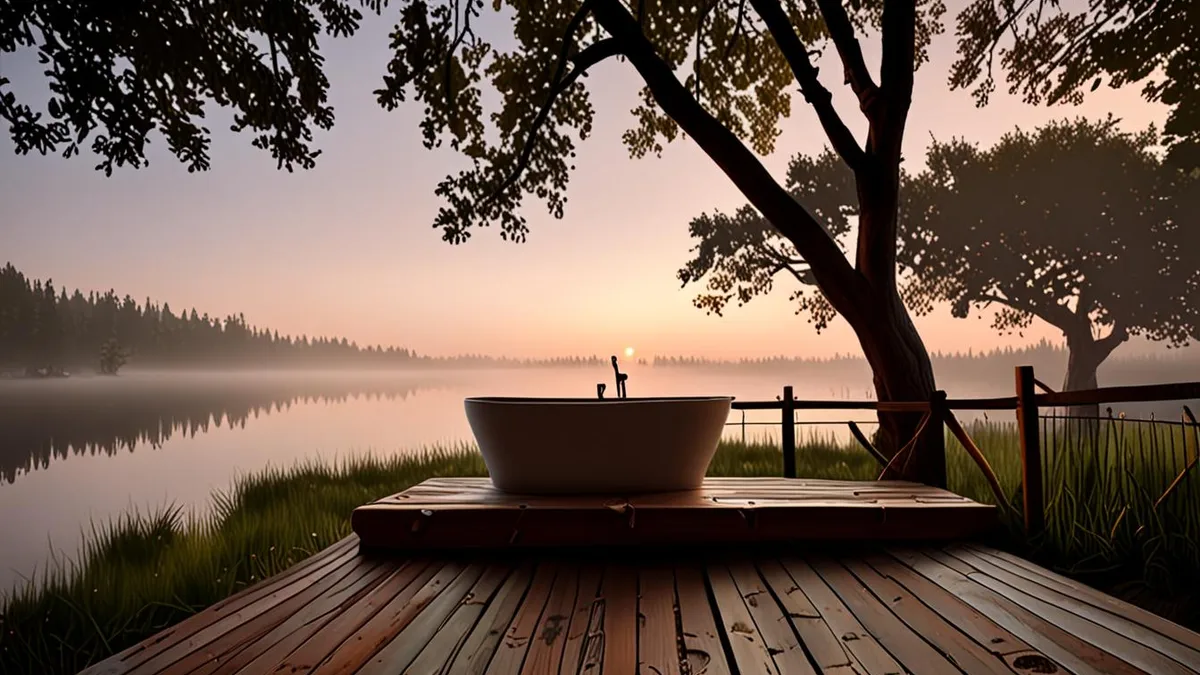
Bathrooms, Kitchens and Other Facilities to Verify
Bathrooms are the single biggest comfort divider in glamping. Some sites offer private en-suite bathrooms attached to each unit; others use a shared washhouse a short walk away. Private bathrooms add roughly $30-80 per night versus shared facilities, so decide whether that upgrade is worth it for your trip. For a couple celebrating something, it usually is. For a family with kids who’ll use the washhouse anyway, shared facilities can be a sensible saving.
Kitchen access matters just as much, and it depends on where the site sits. If the nearest restaurant is more than 15 minutes away, look for a real kitchen — or at minimum a fridge and a kettle — so mornings and rainy evenings don’t turn into logistics problems. A site advertising “cooking facilities” may mean a single shared camp kitchen, so ask exactly what’s inside the unit you’re booking.
Finally, scrutinize the climate control. A decorative wood stove in the photos is not the same as reliable heating, and plenty of canvas structures have no cooling at all in summer. Before booking, confirm:
- Heating type: ask whether heat is electric, propane or a wood stove you must tend yourself, and whether it runs all night or cuts out.
- Air conditioning or fans: in warm months, a sealed dome or tent can overheat badly, so check what cooling exists.
- Hot water reliability: at sites with solar or tankless systems, hot water can run out — worth asking about if you’re booking for several people.
A five-minute message to the host covering these points will tell you more than any photo gallery.
Location and Access: How Far Is Too Far
Glamping sites often trade convenience for scenery, so the drive matters more than most travelers expect. For a typical weekend trip, aim for a site under 2 hours’ drive from a major city. That leaves you enough time to arrive, settle in and still enjoy a full evening by the fire. If the site you love sits three or four hours away, save it for a week-long stay when the travel time feels like a fair trade.
The last stretch of road deserves its own question. Some sites sit at the end of unpaved forest roads that can add 20-30 minutes to the trip and are rough on low-clearance cars. Ask the host directly about the final approach, whether the road is gravel or dirt, and whether a regular sedan can handle it after rain.
Staying reachable
If you need to check email or take calls during your stay, verify connectivity before booking. Many remote sites have no phone signal and no Wi-Fi at all, and “some coverage” can mean one bar on a hilltop a ten-minute walk away. Ask the host which carriers work on the property, and download maps and entertainment before you leave home. If you genuinely need to stay online, treat a weak signal as a dealbreaker rather than a pleasant surprise to discover on arrival.
Reviews and Red Flags Before You Commit
When you open a listing’s reviews, skip the top and head straight for the 3-star ratings. These are the honest middle ground: guests who liked the place but ran into real problems. Five-star reviews often reflect first-night excitement, while 1-star rants can stem from one bad weekend of weather. A 3-star review tells you what the site is like on an ordinary Tuesday.
Then look for patterns rather than single complaints. One mention of a cold shower is a fluke; four mentions across different months are a maintenance issue. Repeated themes are the strongest signal you’ll get before booking, so read several pages back and compare recent reviews with older ones.
Watch especially for these recurring complaints:
- Noise between units: if guests mention hearing neighbors talk, play music or unzip tents, the units are likely packed close together, which undermines the wilderness feel you’re paying for.
- Thin tent walls: canvas carries sound and temperature, so comments about hearing wind, rain or wildlife all night hint that light sleepers should pack earplugs or pick a solid-walled cabin instead.
- Unreliable hot water: shared or solar-heated systems can run out by evening, so if several reviewers mention lukewarm showers, ask the host how the water is heated and how many units share the system.
Finally, message the host about anything unclear before you book. Slow or vague replies during the booking stage usually predict slow replies once you’re on-site, while a host who answers quickly and specifically is often the best amenity a site can have.
Booking a Glamping Site: Timing, Minimums and Cancellation
Glamping sites are small, often with only a handful of units, so they sell out faster than regular hotels. A site with six tents doesn’t need many bookings to be full on a summer Saturday. Planning ahead is the difference between choosing the unit you want and taking whatever’s left, and on a small property the “whatever’s left” option can be a completely different experience from the one you researched. The tent facing the lake might be gone, leaving only the unit next to the parking area or the shared fire pit. Timing your booking is therefore just as important as picking the right site in the first place.
- Lock in summer weekends 2-3 months ahead. Friday and Saturday nights between May and September are the first dates to disappear, so mark your calendar and book as soon as the window opens.
- Allow about 6 months for holiday periods. Long weekends and holiday weeks draw travelers from every direction, and the best units often go within days of being released.
- Expect a 2-night minimum stay on weekends. Most popular sites require it, so build your plans around two nights rather than trying to squeeze in a single Saturday.
- Confirm the cancellation window before paying the deposit. It commonly falls 7-14 days before check-in, so make sure you can commit by that date, and get the policy in writing as part of your booking confirmation.
- Ask what happens if weather turns bad. Policies on storms, wildfires or road closures vary by host, so clarify upfront whether a severe forecast means a refund, credit or rescheduled stay.
If your dates are flexible, shoulder season is your friend. Sites on the edges of the season often have open calendars, easier cancellation conversations and hosts with more time to answer questions before you arrive. You may also find it simpler to request a specific unit or ask for an early check-in when the property isn’t running at full capacity. You lose a little warmth in the canvas compared to midsummer, but you gain choice, and choosing the right unit is half the battle. If a particular site or tent has caught your eye, a short, polite email a few days before booking can also pay off: hosts will sometimes hold a unit for you or flag an upcoming opening that hasn’t hit the booking calendar yet. It costs nothing to ask, and on small sites the answer is often yes.
Your Glamping Site Checklist at a Glance
That dreamy photo of a canvas tent at sunset can hide a lot: no heating, a shared bathroom down the path, and add-on fees you never saw coming. The good news is that all of it is checkable before you pay a deposit.
Run through the eight checks before booking: the right stay type for your group, the season you are traveling, your budget, bathrooms, kitchen facilities, location and drive time, reviews, and booking terms. None of them takes more than a few minutes, and most answers are already in the listing or one short message to the host away.
Do that, and the site you arrive at will match the one in the photos. If this helped you plan a trip, leave a comment or share the article with a fellow traveler.